
What is so special about Georgian wine?
Georgian wine is special for four reasons: a clay-jar method listed by UNESCO, a history of about 8,000 years, grapes that grow almost nowhere else, and amber wine, a white wine made the way red wine is.
Qvevri: the clay jar method, UNESCO-listed
Georgian wine is still made in qvevri (ქვევრი), egg-shaped earthenware jars that are sealed and buried in the ground. The grapes are pressed and the juice goes into the qvevri with its skins, stalks and pips, and the wine ferments there for five to six months before it is drunk. UNESCO inscribed the ancient Georgian qvevri wine-making method on its Representative List of the Intangible Cultural Heritage of Humanity in 2013.
8,000 years of winemaking
Georgia has some of the oldest known evidence of grape winemaking. Chemical traces in pottery jars at Neolithic sites in the Shulaveri area of southeastern Georgia, including Gadachrili Gora near the village of Imiri, date to around 6000 BC, which is where the figure of about 8,000 years comes from. The findings were published in 2017.
Grapes that grow almost nowhere else
Georgian wine is made from grapes found in few other places: about 500 varieties grow in Georgia. Saperavi is the main red grape, one of very few with red flesh as well as red skin, and its name means “to dye”. Rkatsiteli is the main white grape, and Kisi and Mtsvane are two more white grapes from Kakheti.
Amber wine, Georgia’s white wine made like a red
Amber wine is white wine made with its skins left in the juice for days or even months, which gives it colour and tannin. In Georgian it is called karvisperi ghvino, amber wine; in English it is also called orange wine, a term coined in 2004. The practice goes back thousands of years in Georgia, where it is traditionally made in qvevri.
What is the most famous Georgian wine?
Georgian wine is known by its grapes and its appellations: Saperavi and Rkatsiteli are the grapes to know, and Kindzmarauli, Mukuzani, Khvanchkara and Tsinandali are the appellation names to know. An appellation is the village or area a wine is named after.
| Wine | What it is | Region | Style |
|---|---|---|---|
| Saperavi | Red grape | Kakheti first, now across Georgia | Dry red, also semi-sweet, rosé and sparkling |
| Rkatsiteli | White grape | Kakheti above all | Dry white, and amber when made in qvevri |
| Kindzmarauli | Appellation, Saperavi grapes, Kvareli area | Kakheti | Naturally semi-sweet red |
| Mukuzani | Appellation, Saperavi grapes | Kakheti | Dry red |
| Khvanchkara | Appellation, Aleksandrouli and Mujuretuli grapes | Racha | Naturally semi-sweet red |
| Tsinandali | Appellation, Rkatsiteli and Mtsvane grapes | Kakheti | Dry white |
| Akhasheni | Appellation, Saperavi grapes, Gurjaani area | Kakheti | Naturally semi-sweet red |
Georgian wine styles
Georgian wine comes in five styles worth knowing: dry red, dry white, amber, naturally semi-sweet and sparkling. The same grape can make more than one of them, depending on whether it is made the European way, in tanks or barrels, or the traditional way, in qvevri.
| Style | How it is made | Typical grapes | Example |
|---|---|---|---|
| Dry red | Fermented on the skins until dry, in qvevri or tanks | Saperavi | Mukuzani |
| Dry white | Juice pressed off the skins, European style | Rkatsiteli, Mtsvane | Tsinandali |
| Amber | White grapes fermented with skins, stalks and pips, usually in qvevri | Rkatsiteli, Kisi | Traditional Kakhetian wine |
| Naturally semi-sweet | Fermentation stops before all the sugar is used, leaving natural sweetness | Saperavi, Aleksandrouli, Tsolikouri | Kindzmarauli, Khvanchkara, Tvishi |
| Sparkling | Made with a second fermentation, a speciality of Kartli | Saperavi and Kartli’s white grapes | Kartli sparkling wines |
Amber wine is the style most particular to Georgia. The skins give it tannin, the drying grip more usual in red wine, so it can partner a whole meal of Georgian food, from walnut-dressed vegetables to grilled meat. Traditional Kakhetian wine is made this way, with the grape skins, stalks and pips left in the qvevri while the wine ferments.
Georgian wine regions and appellations
Georgian wine is made in six main regions: Kakheti, Kartli, Imereti, Racha-Lechkhumi, the Black Sea coast and Meskheti. Most Georgian wine comes from one eastern region, Kakheti, where Saperavi and Rkatsiteli grow in the Alazani and Iori valleys, with the best vineyards at 400 to 700 metres.
Kartli, around Tbilisi, is known for European-style and sparkling wines. Imereti also makes qvevri wine, in jars it calls churi, but takes the wine off its skins after about 2 months. Racha-Lechkhumi is small and mountainous, and home to Khvanchkara and Tvishi. On the Black Sea coast, in Guria, Samegrelo and Adjara, the harvest traditionally ran late, into November. Meskheti grows vines on terraces at 900 to 1,700 metres.
The appellations are Protected Designations of Origin registered with Sakpatenti, Georgia’s intellectual property office, and listed by the National Wine Agency. Mukuzani, Akhasheni and Gurjaani were among those registered on 30 August 2005, and more have been added since.
Where to taste Georgian wine in Georgia
You can taste Georgian wine in three kinds of place: the wine bars of Tbilisi, the cellars and family wineries of Kakheti, and the villages at harvest. Telavi and Sighnaghi, both in Kakheti, sit in the heart of the wine country and can be reached by bus or minibus from Tbilisi.
The harvest, rtveli, usually starts in Kakheti in early September, earlier after a hot summer, and runs to about mid October, when families pick, press and fill their qvevri. To taste it where it is made, over several days and with the food it is made for, our page on Georgia wine and food tours sets out what those trips include and what to check.
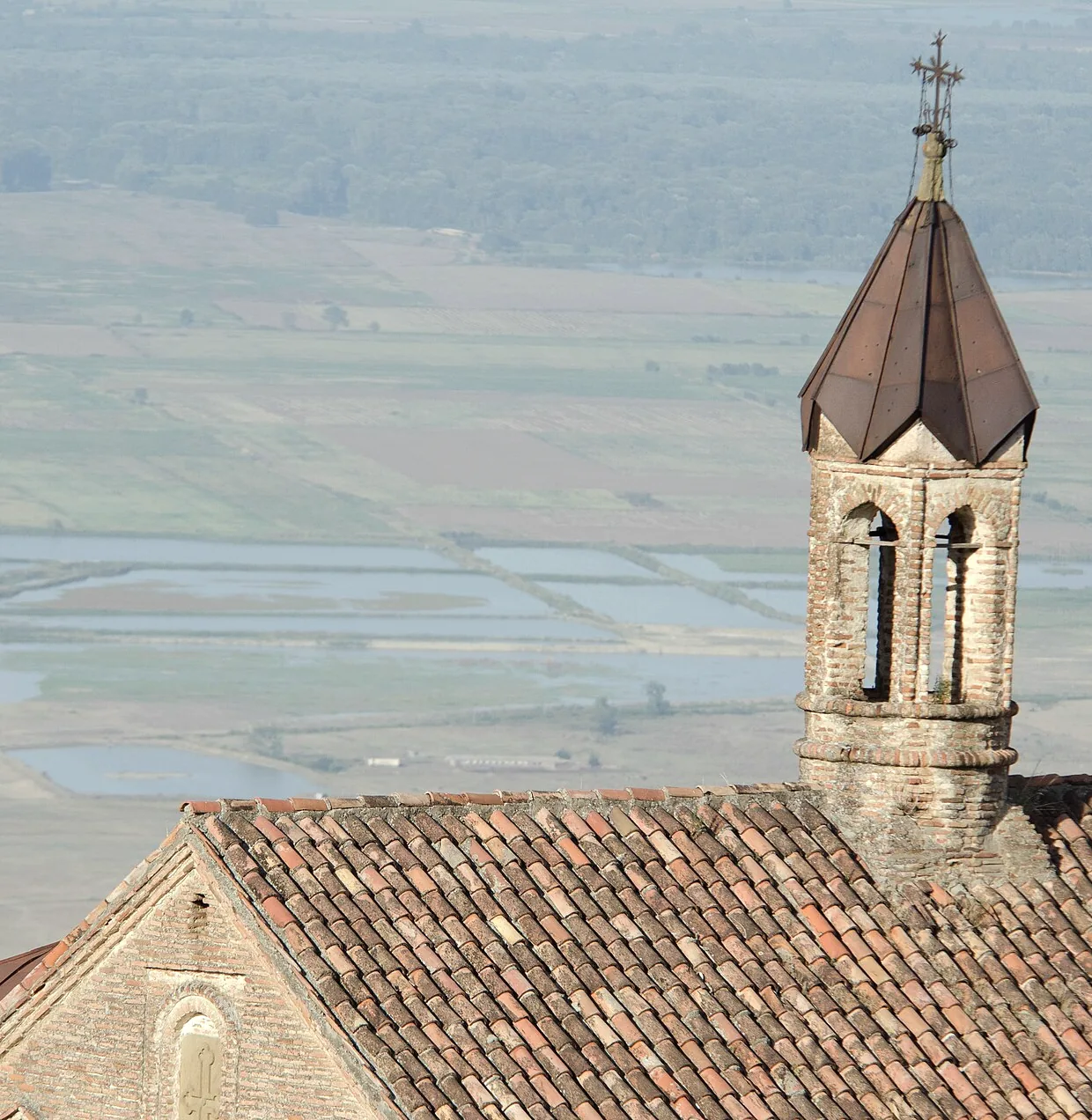
A Kakheti wine tour
Three Kakheti wine days from Tbilisi compared on price, cellars, group size and when each one runs.
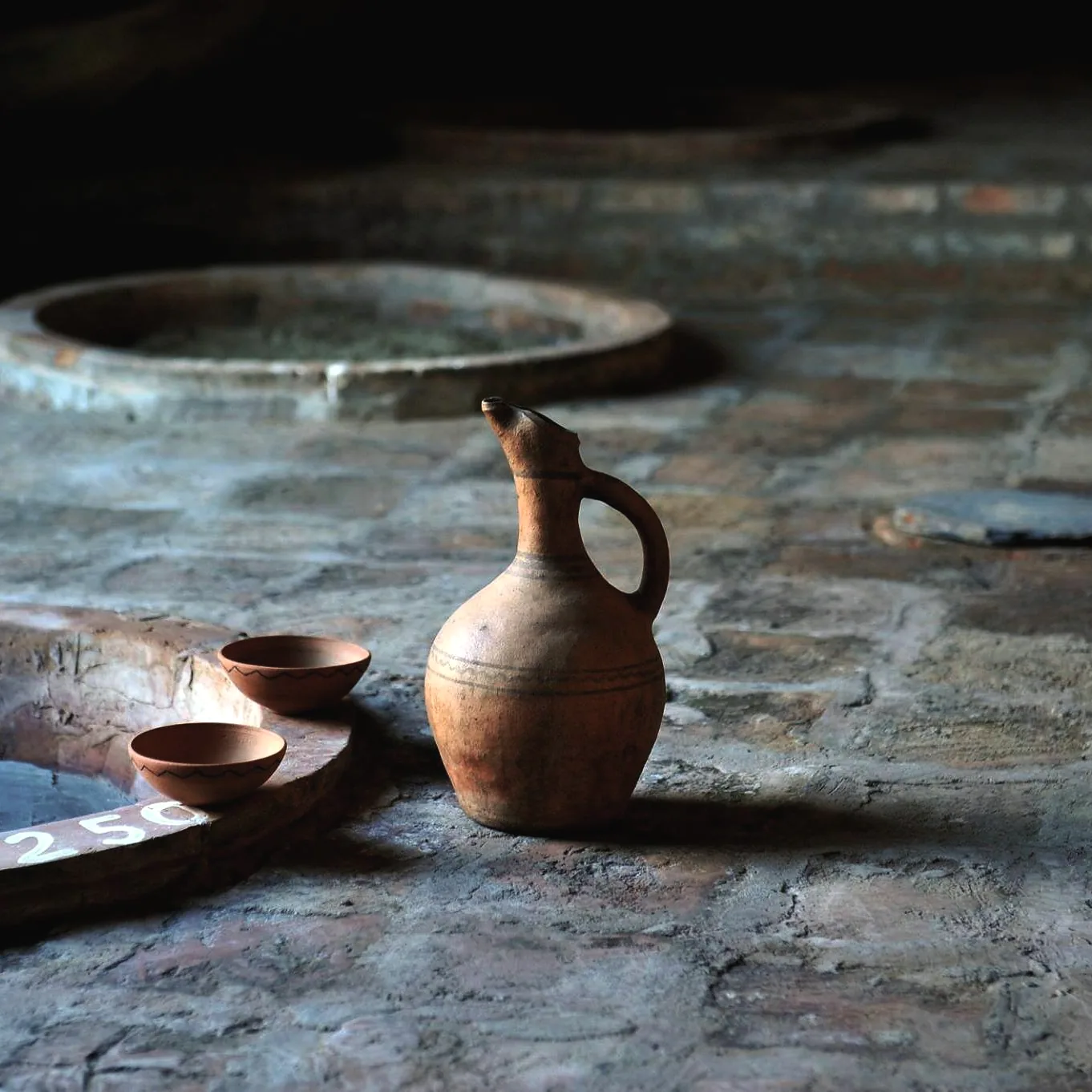
Kakheti wineries to visit
A family marani, a historic estate and a wine tunnel in Kakheti: what each costs, when to book and how they fit one day.
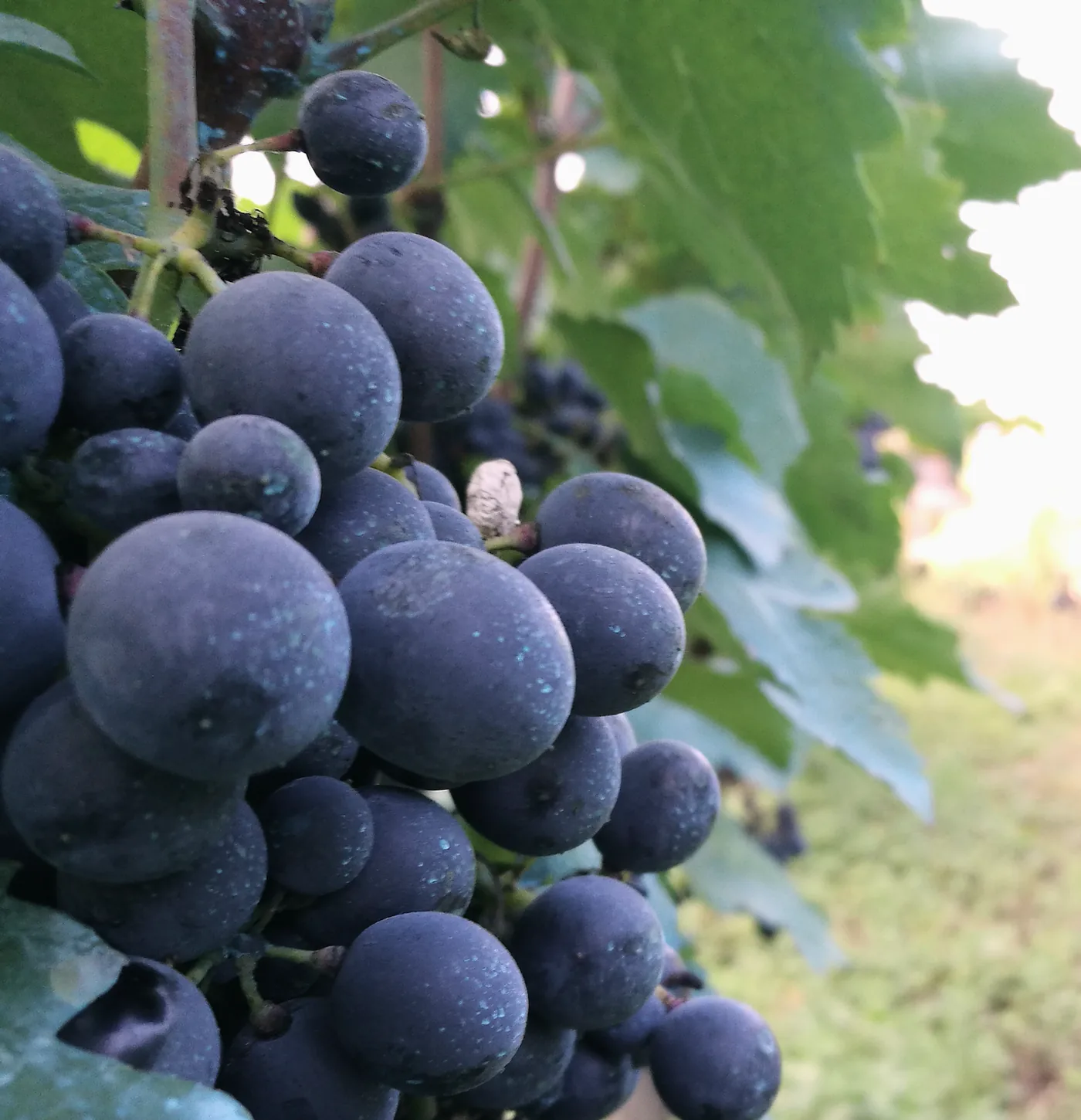
Rtveli, the harvest
Rtveli, the Georgian grape harvest: when it happens and three harvest days you can book, compared.


Can you buy Georgian wine in the UK?
Yes. Georgian wine is sold by specialist merchants and by some UK supermarkets; on 24 September 2026 at least one major supermarket listed a Saperavi from Kakheti. If you bring wine home from Georgia, the personal allowance for arrivals in Great Britain is 18 litres of still wine for anyone aged 17 or over, plus either 4 litres of spirits or 9 litres of sparkling or fortified wine.
Georgian wine questions
What is qvevri wine?
Qvevri wine is wine fermented and aged in a qvevri, a large egg-shaped clay jar buried in the ground, with the grape skins, stalks and pips left in the juice.
What is Kindzmarauli?
Kindzmarauli is a naturally semi-sweet red wine made from Saperavi grapes in the Kvareli area of Kakheti, and a registered appellation.
Why is some Georgian wine orange?
Because it is white wine made with its skins, which colours it amber. Georgians call it amber wine; in English it is often called orange wine.
When is the grape harvest in Georgia?
The grape harvest, rtveli, usually takes place in Kakheti from early September, earlier after a hot summer, to about mid October. Western Georgia harvests later.