
What is Tbilisi?
Tbilisi is the capital and largest city of Georgia, built on both banks of the Mtkvari river, which is also called the Kura. More than 1.3 million people live there, close to a third of the country’s population. The name comes from the Georgian word for warm, after the sulphur hot springs that still feed the city’s bath houses, and the city was founded in the 5th century.
What are the best things to do in Tbilisi?
The best things to do in Tbilisi are a soak in the sulphur baths, a walk through the old town, the ride up to Narikala, a visit to Sameba cathedral, an hour at the Dry Bridge Market, a long Georgian dinner and a glass of qvevri wine.
Soak in a sulphur bath in Abanotubani
Abanotubani, whose name means “bath district”, is the old quarter of bath houses at the foot of Narikala. Its domed bath houses are fed by hot springs, and most of the sulphur baths in Tbilisi offer both private rooms by the hour and cheaper public baths. Book a private room ahead in summer and early autumn, when the baths are at their busiest.
Walk Old Tbilisi’s lanes and balconies
Old Tbilisi is the name for the city’s historic quarters, which have no precise boundaries: Abanotubani, the lanes below Narikala, and Sololaki, one of the oldest neighbourhoods, on the slope of Mount Mtatsminda. Walk it slowly and look up, because the carved wooden balconies are the point.
Ride up to Narikala Fortress at sunset
Narikala is an ancient fortress on a steep hill above the sulphur baths, looking down on the old town and the river. A cable car of about 500 metres runs up to it from Rike Park, and you can walk back down through the old town. Go near sunset for the light over the city.
See Holy Trinity Cathedral (Sameba)
Sameba is the main cathedral of the Georgian Orthodox Church, built between 1995 and 2004 on a hill across the river from the old town. Dress modestly, as in any Georgian church.
Browse the Dry Bridge Market
The Dry Bridge Market is a daily open-air market that has traded on and around the bridge since the 1950s. Stalls sell Second World War medals, Soviet-era objects, silver jewellery, old radio sets, enamel engravings and antique china, and local artists show paintings in the park next to it.
Eat khinkali and khachapuri
Khinkali, the twisted meat dumplings, and khachapuri, the cheese bread, are the two dishes to try first, with walnut dishes, grilled meat and bread alongside. On the booking platform we checked on 24 September 2026, the food tours in Tbilisi listed mixed street food, markets and wine, with some offering 12 to 15 or more tastings in a few hours.
Drink qvevri wine in a natural-wine bar
Qvevri wine is made the old Georgian way: the juice, skins, stalks and pips ferment together in an egg-shaped clay vessel buried in the ground. UNESCO inscribed the method as intangible cultural heritage in 2013, and Tbilisi’s wine bars are the easy place to try it.
Take the funicular to Mtatsminda
Mount Mtatsminda, the Holy Mountain, rises above Sololaki, and a funicular climbs to Mtatsminda Park, a municipal amusement park at the top. On the slope below is the Mtatsminda Pantheon, where many of Georgia’s writers and public figures are buried.
Sit through a real supra
A supra (ქართული სუფრა) is a Georgian feast, led by a tamada, or toastmaster, who gives the toasts and keeps the table going. It is long, generous and built around wine, so leave the whole evening for it.
Which things in Tbilisi are free, and which should you book?
Walking the old town, visiting Sameba and browsing the Dry Bridge Market cost nothing, while the cable car, the funicular and the baths are paid on the day or booked ahead.
| Free, just go | Pay on the day | Book ahead |
|---|---|---|
| Walking Old Tbilisi | The cable car to Narikala | A private room at the sulphur baths at busy times |
| Sameba cathedral | The funicular to Mtatsminda | A food tour |
| Browsing the Dry Bridge Market | A public bath | A cooking class |
| The grounds of Narikala | A day trip out of Tbilisi |
Where is everything? Tbilisi by district
Most of the list sits in or next to Old Tbilisi, so you can walk it. Abanotubani and its baths lie at the foot of Narikala, beside the river; Sololaki climbs the slope above them towards Mount Mtatsminda. Rike Park and the lower station of the cable car are across the river, and Sameba stands on the hill above that bank.
How many days do you need in Tbilisi?
Three days is right for a first visit. Spend one on the old town, the baths and Narikala, one on Sameba, the Dry Bridge Market and a long dinner, and one on a day out to Mtskheta or further.
Things to do in Tbilisi by situation
Things to do in Tbilisi at night
- Ride the cable car up to Narikala as the light goes.
- Book a late room at the sulphur baths: some bath houses close at 23:00 and others stay open past midnight.
- Sit down to a supra and let the toasts set the pace.
Things to do in Tbilisi in winter
- Book the sulphur baths, which are open all year round.
- Spend the cold hours in the wine bars and at long dinners.
- Pack for the cold: January is the coldest month, averaging 2.7 °C.
Is Tbilisi worth visiting?
Yes. It combines an old town you can walk, hot springs you can bathe in, wine made by a method UNESCO lists as intangible heritage, and day trips to monasteries, vineyards and mountains.
Bookable picks in Tbilisi
A private room at the baths, a food walk and a guided old-town walk are three of the things in Tbilisi you can book before you arrive. Our picks for the baths are on the shortlist of sulphur baths in Tbilisi, and for a food walk on the shortlist of food tours in Tbilisi; cooking classes and private guides are below.
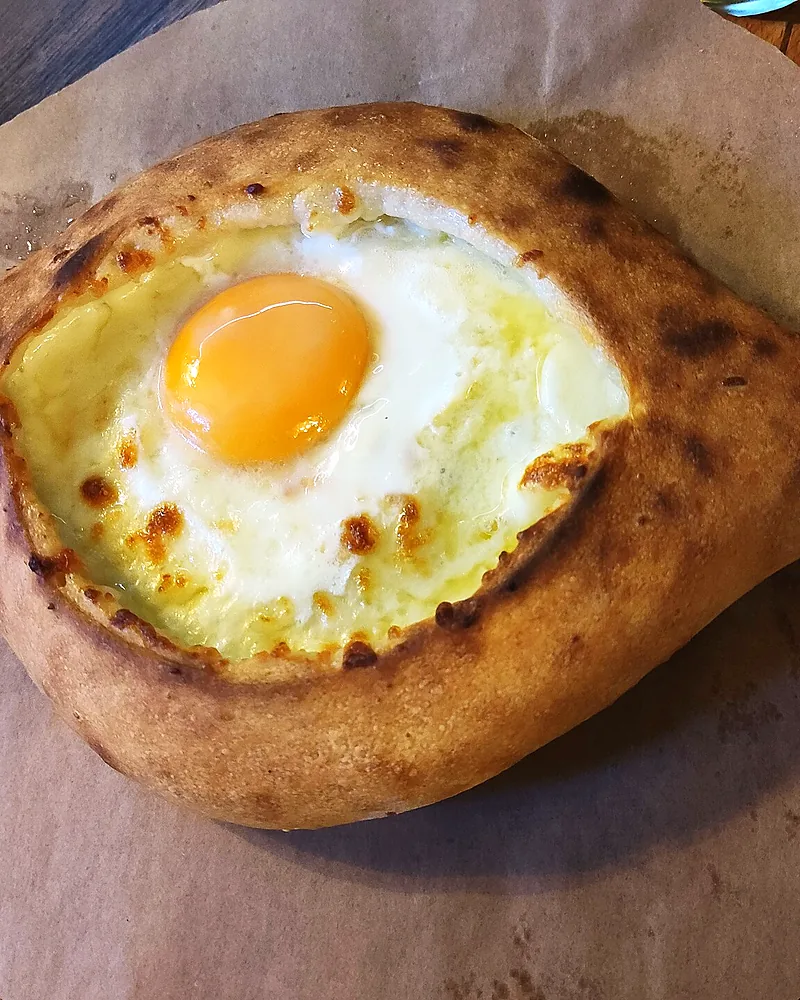
A Georgian cooking class
Three Georgian cooking classes in Tbilisi compared on price, what you cook, where you eat and who shares the table.
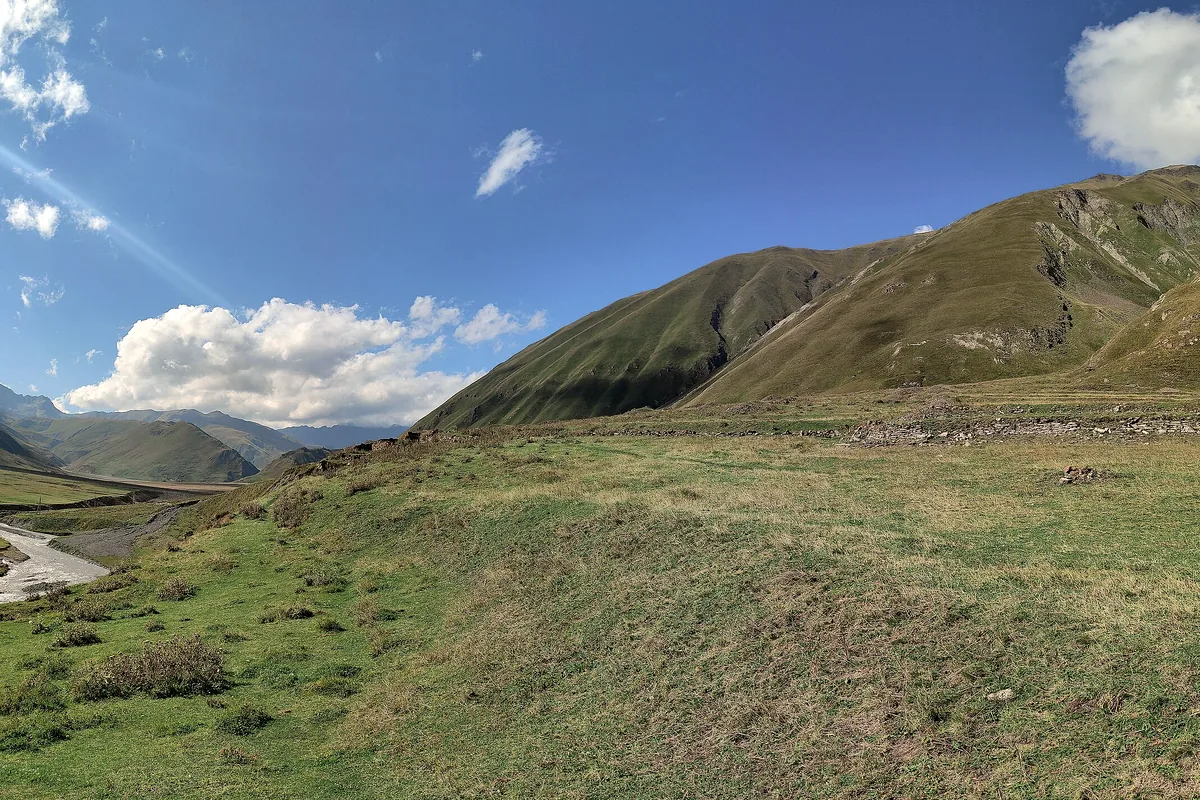
A private guide for the day
Three private tours of Georgia compared on price, days, what is included and how late you can cancel.


The best day trips from Tbilisi
Mtskheta, the old capital, is about 20 kilometres northwest of Tbilisi, and its medieval churches have been a UNESCO World Heritage Site since 1994. Kakheti, the wine country, lies to the east, and Kazbegi sits on the Georgian Military Road into the high Caucasus. Day trips to Kakheti and Kazbegi were listed at 10 to 15 hours on the booking platform we checked on 24 September 2026. Our shortlist of day trips from Tbilisi sets out what private and group options differ on.
Is Tbilisi safe right now?
Yes, with a caution about protests. On 24 September 2026 the FCDO’s advice for Georgia, last updated on 15 September 2026, said crime levels are low, and reported that 9 September marked the 650th consecutive day of protests. It says “the demonstrations are now mainly focused on the Parliament building on Rustaveli Avenue”, that they can spread, particularly on Saturday evenings, and that some have turned violent. The FCDO advises avoiding large gatherings and demonstrations. It advises against all travel to South Ossetia and Abkhazia, and against all but essential travel to the areas immediately next to their administrative boundary lines.
Getting to and around Tbilisi
Tbilisi International Airport is about 18 kilometres southeast of the city centre. In town, the metro runs two lines, and the FCDO advises booking taxis through an app rather than flagging them in the street. Prices are sometimes quoted in dollars or euros, but you pay in lari.
Questions people ask about Tbilisi
Is 3 days enough for Tbilisi?
Yes. Three days covers the city’s highlights and one day trip at an easy pace.
What should I avoid in Tbilisi?
Avoid large gatherings and demonstrations, taxis flagged in the street, and drinks offered by strangers. The FCDO notes reports of drink spiking in Georgia and advises buying your own drinks and keeping sight of them.
What is the weather like in Tbilisi?
Summers are hot and winters are cool. Summer temperatures mostly run from 20 to 32 °C, winter temperatures from 1 °C below zero to 7 °C, and July is the hottest month, averaging 25.4 °C.
What currency do you pay in?
The Georgian lari. Prices may be quoted in US dollars or euros, but goods and services must be paid for in lari.